

understanding mind : ค้นหาหนังสือธรรมะ หน้า 15 / 21
หน้าหนังสือทั้งหมด
9
The Power of Boonya and Meditation
(3) Meditate to purify the mind (meditation is simply the act
of calming and clarifying the mind and it is not necessarily
related to any religion). It is easy to see that anyone, anywhere
can comfort
Meditation helps clarify the mind and can be practiced by anyone. Good deeds, or boonya, accumulate positive energy that leads to happiness and stability. The intention behind actions matters signific
104
Harmony Within the Family: Understanding Buddha's Teachings
Part Four: Harmony Within the Family
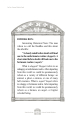
BUDDHA BOX:
Interesting Historical Note: The man
whom we call the Buddha said this about
the afterlife:
"A cloudy mind before death will lead
one to the unfortunat
In this section, we delve into the teachings of the Buddha concerning the afterlife, highlighting the significance of one's mental state prior to death. According to Buddha, a cloudy mind leads to dug
65
The Characteristics of Paccekabuddhas in Apadāna Literature
In the Apadāna literature, besides the life history of the Buddha and his disciples, a section is devoted to a depiction of the characteristics of Paccekabuddhas. This - section is entitled 'Paccekabu
The Apadāna literature highlights the characteristics of Paccekabuddhas, emphasizing their significant dhammas and independent mind. Verse 52 describes them as having great dhammas, being free from su
14
Exploring the Essence of Dhammakaya Meditation
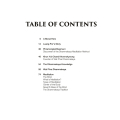
TABLE OF CONTENTS
6 A Moral Hero
14 Luang Por’s Story
36 Phramongkolthepmuni
Discoverer of the Dhammakaya Meditation Method
46 Khun Yai Chand Khonnokyoong
Founder of Wat Phra Dhammakay
This text provides an overview of the Dhammakaya meditation method, highlighting significant figures such as Luang Por and Khun Yai Chand Khonnokyoong. It elaborates on various aspects of meditation,
91
The Joy of Meditation
sleep with happiness, wake with happiness, and go about our daily duties with happiness. This aspect alone is enough of a reason for someone to meditate.
Happiness derived from a mind that is peacefu
Meditation promotes lasting happiness derived from a peaceful mind, enabling individuals to face life's challenges unscathed. It helps purify mental impurities, enhances cognitive faculties, and unloc
100
The Path to Inner Calm and Awareness
Make sure there are no signs of tension anywhere and that you're closing your eyes the right way. Create a feeling of ease, happiness and purity. Feel that you're entering upon a perfect state of calm
This text encourages a deep sense of calm by detaching from worldly concerns and realizing the temporary nature of existence. It highlights the importance of the Seventh Base of the Mind, an integral
124
Luang Por Dhammajayo’s Aspiration
Luang Por Dhammajayo’s Aspiration
After Luang Por Dhammajayo took the yellow robe to become a Buddhist monk he resolved that he would preach only the subject of stopping the mind. Over the past forty
Luang Por Dhammajayo emphasizes the essential practice of stopping the mind in his teachings. His journey from a young monk to a teacher focused on the importance of both reading and practicing Dhamma
9
Illustrations Overview
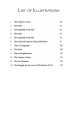
LIST OF ILLUSTRATIONS
1. The Unknown Factor . . . . . . . . . . 18
2. The Mind . . . . . . . . . . . . . . 36
3. The Eightfold Noble Path . . . . . . 45
4. The Mind . . . . . . . . . . . . . . 54
This section features a detailed list of illustrations found in the book, highlighting key themes such as the Unknown Factor, the Mind, the Eightfold Noble Path, and the Path to Enlightenment. Each il
91
The Journey of Self-Improvement and Patience
Suzanne Jeffrey
ample, of sitting for long periods of time in meditation. We must also be patient toward
the imperfection of others. And we must practice this. Why? Because this helps us
correct the
In this enlightening text, the author reflects on the journey of self-improvement over a span of thirty-nine years under the guidance of Luang Por Dhammajayo. Through meditation, the author addresses
120
Seeking Guidance from a Dharma Adviser
Needing with a Dharma Adviser
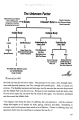
The Unknown Factor
-------------------------------
It Must Exist Because of Balance:
If There Is Suffering, Fear,
And Ignorance, There Must
Be Something That Can Fix It
The text delves into the concept of seeking a Dharma adviser to help navigate the unknown factors of suffering, fear, and ignorance. It discusses that if there is suffering, there must be a solution,

164
Meetings With A Dhamma Master
"When I first met Luang Por Dattajevo, Vice Abbot of Wat Phra Dhammakaya, it was in the summer of 2008. I had gone to visit my son, Luang Pi Joshua, during his first year as an ordained monk living at
In 'Meetings With A Dhamma Master', Suzanne Jeffrey shares her enlightening conversations with Luang Por Dattajevo, Vice Abbot of Wat Phra Dhammakaya. Over two years, they explore key aspects of Buddh
121
Bases of the Mind in the Body
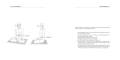
Before starting, it is necessary to acquaint yourself with the various resting points or bases of the mind inside the body.
• The first base is at the tip of the nostril, on the right side for men an
Understanding the various resting points or bases of the mind inside the body is essential for meditation and mindfulness. The first base is at the nostril tip, the second at the eye corner, followed
81
Understanding the Five Aggregates, Tenfold Path of Wholesomeness, and Four Lofty States of Mind
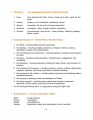
Khandha 5 Five Aggregates (elements, attributes of being)
1. Rupa form, physical self, body. Rupa is made up of earth, water, air, fire (heat)
2. Vedana feeling, is one of pleasant, unpleasant, ne
This text delves into three significant aspects of Buddhist philosophy: the Five Aggregates which consist of Rupa (form), Vedana (feeling), Samjna (perception), Sankhara (conception), and Vinnana (con

66
The Connection of Mind and Heart
which will have some thoughts that make up with the mind from the heart that is pure, pure, honest, and sincere.
The question of the sacred scripture says, "What is this?" The scripture answers, "Thi
This passage examines the harmony between the mind and heart, emphasizing purity and sincerity. It reflects on a question and answer from sacred scripture, highlighting the need for honest reflection
12
The Noble Eightfold Path: Key Concepts and Insights
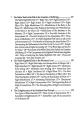
7 The Noble Truth of the Path to the Cessation of Suffering .................... 117
The Noble Eightfold Path 117 • Right View 118 • Right Intention 118 • Right Speech 118 • Right Action 118 • Right L
The Noble Eightfold Path is a fundamental Teaching of Buddhism aimed at overcoming suffering. It consists of eight essential practices: Right View, Right Intention, Right Speech, Right Action, Right L
23
Understanding the Path to Nirvana: The Buddha's Teachings
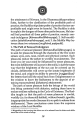
the attainment of Nirvana. In the Dhammacakkapavattana Sutta, further to the clarification of the profitable path of practice, the Buddha stipulates paths of practice that are unprofitable and might e
This text discusses the Buddha's elucidation of the paths to Nirvana as presented in the Dhammacakkapavattana Sutta. It highlights the unprofitable practices, particularly the path of sensual indulgen
131
Mindfulness and Right Concentration in Buddhism
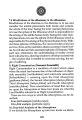
7.4 Mindfulness of the *dhammas* in the *dhammas*
Mindfulness of the *dhammas* in the *dhammas* is to see and consider the mental phenomena both inside and outside, the whole of the time. Seeing the
Dieser Abschnitt behandelt die Achtsamkeit gegenüber Dhammas und die richtige Konzentration im Buddhismus. Die Achtsamkeit richtete sich sowohl auf innere als auch äußere mentale Phänomene, die erford
237
Exploring Concepts of Buddhist Mythology
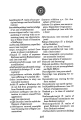
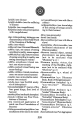
Asaññisatta (P. realm of non-per- ayatana nibbāṇa q.v. (lit. the recipient beings: see form Brahmā sphere of Nirvana realms) āsavakkhayañāṇa (see knowledge of an end of defilements) ayatana (lit. sphe
This text delves into intricate Buddhist concepts such as Asaññisatta, the realm of non-perception, and its relation to Nibbāṇa, highlighting essential terms like bhāvanā (development), and defilement
238
Key Terms in Buddhist Philosophy
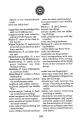
byādhi (see illness)
byādhi dukkhā (see the suffering of illness)
byāpāda (see vengefulness)
byāpādavitaka (see preoccupation with vengefulness)
cāgo (relinquishing, letting go: see characteristics of
This text delves into significant terms and concepts in Buddhist philosophy, addressing themes such as illness, suffering, relinquishing, and the foundations of success. Important terms like byādhi (i
243
Buddhist Terminology and Concepts
Speech at the transcendental level) see sense consciousness) manussasampatti (see worldly wealth) Mara q.v. (P. devil, demon) maggañāṇa (see knowledge of the path out of defilements) maraṇa (see dying
This text delves into essential Buddhist terms and their meanings. It covers concepts such as Mara (the demon), Mettā (loving-kindness), and the significance of terms like 'maraṇa' (dying) and 'mutti'